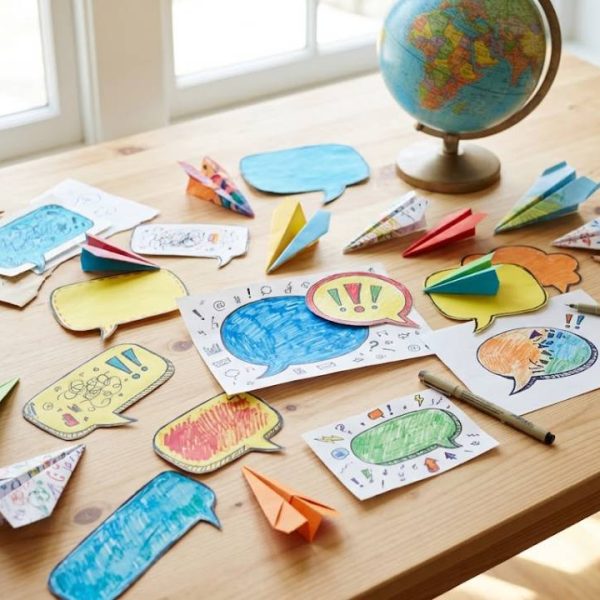
You do not need to speak a language fluently to connect with the people who speak it. A handful of warm phrases, said with a smile, can turn a stiff encounter into a friendly exchange. Most people appreciate the effort far more than they notice the mistakes.
This article shares simple phrases and habits that help you build real connections in any language, whether you travel, work or live among speakers of several tongues.
Start With Greetings
Hello, good morning and good evening are the most useful words you can learn. They show respect and open the door to conversation.
Learn the greeting for different times of day, and notice whether people also shake hands, bow or kiss on the cheek. A friendly greeting is half of any conversation.
Always Say Please and Thank You
Politeness words are short and powerful. Even if you cannot say anything else, these two phrases make a good impression.
Practise the pronunciation with a native speaker or a recording. Correct sounds matter more than a long vocabulary.
Learn How to Say You Do Not Understand
The phrase I do not understand, please repeat slowly is a lifesaver. It invites help instead of confusion.
Add a phrase for asking whether someone speaks English, and be ready with a polite thank you if they say no.
Memorise Numbers and Directions
Numbers help with prices, times and addresses. Directions such as left, right and straight ahead keep you from getting lost.
Write them on a small card and review them during idle moments, such as waiting for a bus.
Respect Reading Direction and Script
Some languages are written from right to left, and others use scripts that look very different from the Latin alphabet. Arabic, for example, joins letters and changes their shape.
Customers and partners notice when a business takes the trouble to respect this. A careful english to arabic translation keeps meaning and layout correct, including punctuation and numbers.
Listen More Than You Speak
Listening is the fastest way to learn a language. Notice how people greet each other, ask for things and end conversations.
Repeat phrases quietly to yourself afterwards. Small imitation builds natural rhythm.
Record Conversations for Learning
With permission, recording a short chat or interview lets you study it later. You can replay unclear parts, look up new words and review pronunciation.
Written notes make the material even more useful. Reading about interview transcription shows how spoken words are turned into accurate text.
Learn From Trusted Language Resources
Reliable reference sites explain how many languages exist and where they are spoken. Ethnologue is a well known catalogue that helps learners see the diversity of human speech.
Browsing it can inspire you to learn more about the people behind a language.
Use Body Language Carefully
Gestures carry meaning, and not always the same one. A thumbs-up is friendly in some countries and rude in others.
When you are unsure, keep your gestures calm and watch how locals behave.
Practise With Real People
Apps are useful, but conversation teaches faster. Visit a language cafe, join an online group or talk with a neighbour.
Start with five-minute exchanges and add a little more time each week.
Be Kind About Mistakes
Everyone makes errors in a new language, and everyone laughs about them in the end. Treat them as part of the journey.
If someone corrects you, say thank you and use the correct form once more.
Learn Cultural Phrases and Customs
Some phrases are tied to events or beliefs, such as wishes before a meal or after a journey. Learning them shows interest in the culture, not just the dictionary.
Ask what the phrase means and when it is used. The explanation often reveals a lovely story.
Keep a Small Phrase Notebook
Write down new expressions together with the situation where you heard them. Review the notebook before you meet people.
This habit builds confidence and a record of progress.
Use Technology as a Support
Translation apps and voice tools are handy for quick questions. They work best for short, simple sentences.
For important documents or business messages, rely on a qualified person rather than an automatic tool.
Pay Attention to Tone of Voice
The same words can sound warm or cold depending on how you say them. Slow down, smile and keep your voice relaxed, especially when you are nervous.
Listeners often forgive grammar mistakes but remember tone for a long time.
Ask Simple Questions About the Other Person
Questions about family, work or favourite food are safe and friendly in most cultures. They show interest and give the other person something to talk about.
Listen to the answers, and try to use one new word from the reply in your next sentence.
Say Goodbye Properly
Ending a conversation kindly leaves a lasting impression. Learn a couple of ways to say goodbye and to wish someone a good day.
A warm farewell invites the next meeting.
Final Thoughts
Connecting in any language begins with small gestures. Greetings, polite words, careful listening and respect for culture matter more than a perfect accent.
Choose five phrases this week and use them with someone new. You may be surprised how far a few kind words can take you.